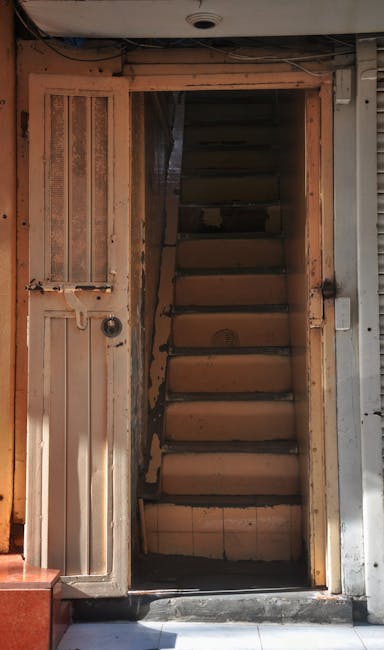


Narrow staircases Harringay removals common problems and fixes
Posted on 26/06/2026
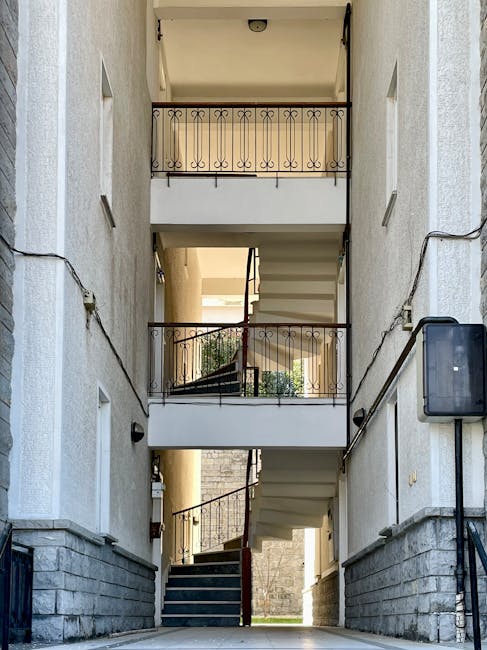
If you are moving in Harringay, chances are you will run into at least one awkward staircase. Victorian conversions, split-level flats, top-floor walk-ups, and tight landings can make even a simple move feel like a low-level obstacle course. That is exactly why Narrow staircases Harringay removals common problems and fixes is worth understanding before moving day. The right plan can save you time, protect your furniture, and stop a stressful morning from turning into a full-blown headache.
In this guide, we will walk through the most common staircase problems, what actually causes them, and the fixes that tend to work in real homes. You will also find a practical checklist, a comparison table, and a few local-moving insights that should make the job feel much more manageable. To be fair, a narrow stairwell does not have to derail the move. It just needs a bit of forethought.
Why Narrow staircases Harringay removals common problems and fixes Matters
Narrow staircases are one of those moving problems that look minor on paper and then become the centre of the day. In Harringay, that is especially common in older terraces, maisonettes, and converted flats where the stairs may bend sharply, have low ceilings, or just feel impossibly tight once a sofa appears. Add parking pressure, short loading windows, and shared entrances, and you can see why this topic matters so much.
The real issue is not only whether a sofa fits. It is the knock-on effect: scratched paintwork, damaged corners, strained backs, and delays that affect the rest of the move. If a mover has to stop halfway up the stairs because a chest of drawers catches on the bannister, everything slows down. The whole schedule shifts. And once one item gets stuck, everybody seems to be standing around holding a cushion and thinking, well, this is awkward.
Planning for stairs also helps you decide whether you need a standard moving team, a smaller vehicle, or a more flexible approach such as a man and van in Harringay. In many local moves, the stairs are not just an inconvenience; they are a deciding factor in the whole moving method. That is why the best moves start with access, not boxes.
How Narrow staircases Harringay removals common problems and fixes Works
The process is simpler than it sounds. First, you identify the pinch points: stair width, turning space on landings, ceiling height, handrail placement, and the size of the items that need moving. Then you match the method to the obstacle. Some items can be carried upright. Others need to be tilted, dismantled, wrapped differently, or moved in stages. A few should simply go through another route if one exists.
In practice, a good removal plan for narrow stairs follows a few principles:
- Measure before lifting. Width, height, and turning room matter more than guesswork.
- Reduce bulk early. Take off feet, shelves, doors, or bed frames where possible.
- Protect contact points. Banisters, walls, corners, and door frames are where damage happens first.
- Use the right carrying technique. Large items often need a two-person carry, and sometimes a pause on the landing.
- Keep the route clear. Shoes, rugs, and plant pots at the bottom of the stairs are tiny hazards that become annoyances very quickly.
The biggest fix, though, is not a piece of equipment. It is sequencing. If you load the hardest items first, while everyone is still fresh, you have a better chance of clearing the awkward pieces before fatigue sets in. That old moving rule is still true: the late afternoon version of a sofa is somehow always heavier than the morning version.
If you are also trying to keep the move affordable, it can help to review advice on moving estimates and avoiding hidden charges in Harringay removals. Access issues can affect the final price, so it is best to be upfront about them.
Key Benefits and Practical Advantages
Once you understand the staircase challenge, the benefits of planning become pretty obvious.
- Less damage. Better route planning means fewer knocks to walls, doors, and furniture edges.
- Faster moving time. Clear, measured access keeps the team moving instead of stopping to improvise.
- Safer lifting. Smaller, lighter, or dismantled items are easier on the body.
- Better value. Fewer delays and fewer failed attempts can save time-based labour costs.
- Less stress. You are not trying to solve a geometry puzzle while balancing a wardrobe on a landing.
There is also a nice side effect: better communication with your movers. Once you have checked access properly, you can give straightforward instructions instead of vague warnings like "the stairs are a bit tight" or "the turn is annoying but probably fine." To be fair, those phrases never really help anyone.
For families, the benefit can be even bigger. If you are moving with children, a smoother access plan helps the day feel calmer and less chaotic. A practical read on house removals with kids can make the overall moving day feel more manageable.
Who This Is For and When It Makes Sense
This kind of planning matters for anyone moving into or out of a property with awkward internal access, but it is especially useful if you are in a flat above ground level, a period conversion, or a shared building with limited hall space. If your furniture includes bulky wardrobes, piano-style items, large mattresses, corner sofas, or glass-fronted cabinets, stairs can become the main bottleneck.
It also makes sense if:
- you are moving on a tight schedule and cannot afford repeated attempts
- you live in a property with narrow landings or steep stairs
- you are combining a move with storage or phased delivery
- you have already measured your biggest items and know the route will be close
- you want to reduce the risk of damage claims or repair costs
Students and tenants often overlook this. They assume because the move is small, the access problem will be small too. Not always. A single bed frame can be a surprise villain in a stairwell. If you are renting locally, a tenant's life in Harringay gives a useful feel for the kind of housing stock people here often deal with.
If the access is too tight, storage can become the sensible pressure valve. A staged move through storage in Harringay may help if you need to split delivery across days rather than forcing everything through one staircase at once.
Step-by-Step Guidance
Here is the practical version. No fluff, just the sequence that tends to work.
- Walk the route from van to room. Do this slowly. Check stairs, turns, door openings, ceiling slopes, and any tight points.
- Measure the largest items. Do not assume "it looks okay." Measure the actual width and height of the item and compare it with the access route.
- Decide what must be dismantled. Beds, table legs, modular sofas, and some wardrobes are easier to split before move day.
- Protect the building first. Put down floor runners if needed and pad sharp corners or banisters where contact is likely.
- Pack for carry, not just for storage. Heavy boxes should be smaller. Light but awkward items should be secured so they do not shift on the stairs.
- Load the awkward items early. The first hour is usually the best time for the biggest pieces.
- Use a steady communication rhythm. One person leads, one person supports, and nobody tries to shout over the top of the stairs if it can be avoided.
- Have a fallback option. If an item clearly will not fit, stop and switch tactics instead of forcing it.
A tiny but important point: if the staircase is narrow and the item is valuable, slow down. People often rush at the exact moment they should go more slowly. Strange habit, that. But it is common.
When in doubt, it helps to work from a proper moving to-do list so the access check does not get left until the lorry is already outside.
Expert Tips for Better Results
After a lot of local moves, a few tips come up again and again.
- Remove picture frames and loose wall items near the staircase. It sounds obvious, but these are the first things to get knocked.
- Use better padding than you think you need. A narrow stairwell gives you less room for mistakes.
- Do a quick "carry test" with the most awkward item. If a sofa or wardrobe already feels like a wrestling match at ground level, the stairs will be worse.
- Keep one clear holding space. A landing that is half-blocked by boxes is not a landing anymore. It is a trap.
- Choose the right crew size. Too few people and the job drags; too many and you get crowding on the stairs.
If you are hiring help, a local team that understands access issues is worth more than a generic "we can move anything" promise. Reading about removal companies in Harringay can help you think in terms of experience, not just availability.
One small tip from the field: wrap stair-facing corners of furniture in a way that does not catch when angled. A bulky blanket can be helpful, but too much loose fabric can snag on a handrail. Funny how protection can become the problem if it is not secured properly.

Common Mistakes to Avoid
Most staircase problems are predictable, which is actually good news. Predictable problems are fixable. The trick is avoiding the usual traps.
- Assuming the staircase is wider than it is. Visual guesses are unreliable, especially in older properties.
- Leaving dismantling too late. The night before is not the best time to discover a wardrobe needs a screwdriver and patience.
- Using oversized boxes. Huge boxes are a pain on stairs, even if they seem efficient at packing time.
- Not protecting the route. One small scratch on a wall can become a bigger issue after the move.
- Ignoring headroom. Stairs are not just about width; low ceilings and turns can be just as difficult.
- Trying to force furniture around a bend. If it resists, stop and rethink. Furniture rarely improves when pressured.
Another mistake is forgetting that access starts outside the building too. Parking too far away, carrying items through cluttered communal areas, or leaving the route blocked by bins can eat up time before you even hit the stairs. If the move is happening at a busy time of day, the delay can snowball.
You may also want to read up on Harringay Ladder estate access advice for removals if your property sits in one of the local ladder streets where access and parking both need a careful approach.
Tools, Resources and Recommendations
You do not need a truckload of specialist kit, but a few simple things make narrow stairs far easier to handle.
- Furniture blankets and wrapping materials to reduce knocks and friction.
- Strong tape and labels so dismantled parts do not go missing.
- A screwdriver set and Allen keys for beds, flat-pack furniture, and small fittings.
- Gloves with a decent grip for safer carrying.
- Floor protection for shared hallways and stair edges.
- Measuring tape because guessing is just not a system.
On the planning side, a few useful pages can help you build a smoother move from start to finish. If you are comparing service types, look at services overview, home removals in Harringay, and flat removals in Harringay to understand how different move types are typically handled.
If the move is smaller or more flexible, man with a van in Harringay and removal van in Harringay are also relevant because tighter access often suits a more agile setup. For furniture that needs special care, furniture removals in Harringay is the more focused route.
Law, Compliance, Standards, or Best Practice
For most home moves, the biggest compliance issue is not a legal minefield. It is duty of care. In plain English, movers and customers should avoid creating unnecessary risk to people, property, or the shared building. That includes safe lifting, sensible load sizes, clear access, and honest discussion about awkward staircases before the job begins.
Good practice usually means:
- being upfront about access issues when requesting a quote
- checking whether communal areas need extra care or protection
- avoiding blocked exits or unsafe stacking on stair landings
- making sure fragile or valuable items are packed and handled appropriately
- following the mover's safety instructions rather than improvising under pressure
If you are moving in a managed building, the landlord or managing agent may have their own rules about lift use, protecting hallways, or booking time slots. These are not always formal "laws," but they do matter in practice. It is worth checking in advance rather than arriving and finding out the hard way. A little boring admin up front saves a lot of chaos later.
It is also sensible to confirm insurance expectations before moving. For that, see insurance and safety and the company's health and safety policy if you want a clearer picture of how risk is handled.
Options, Methods, or Comparison Table
There is no single best solution for every narrow staircase. The right method depends on the staircase, the item, and how much time you have. Here is a simple comparison.
| Method | Best for | Pros | Trade-offs |
|---|---|---|---|
| Carry as-is | Smaller, lighter furniture | Fast, simple, fewer tools needed | Not suitable for awkward turns or bulky items |
| Dismantle and rebuild | Beds, wardrobes, desks, flat-pack furniture | Easier on stairs, safer, often more controlled | Needs time, tools, and careful labelling |
| Two-person carry with pauses | Medium-to-large items | Better control on landings and turns | Slower, needs coordination |
| Split move or storage-first approach | Overcrowded or very tight access | Reduces pressure on moving day | Requires extra planning and possibly extra cost |
For many local moves, the best answer is a combination: dismantle the large items, carry the manageable items normally, and use storage if the stair route simply cannot handle everything at once. That is often the calmest option, even if it is not the flashiest.
Case Study or Real-World Example
Here is a realistic example from a typical Harringay flat move. A couple was moving into a top-floor conversion with a narrow staircase that turned sharply halfway up. Their biggest concern was a large bed frame, a mattress, and a two-door wardrobe. On the first walkthrough, the stairwell looked "probably fine," which is exactly the kind of phrase that causes trouble later.
Once measured properly, the wardrobe was clearly too awkward to carry intact. The bed frame was dismantled the evening before, the wardrobe doors were removed, and the mattress was carried separately. The movers padded the bannister and wrapped the corners that were most likely to catch. The couple also cleared the hallway, took pictures off the wall, and booked a slightly earlier start so the lifting could happen before everyone got tired.
The result was not dramatic, which is the point. No damage. No panic on the landing. No awkward "we may need to rotate it three more times" moments. Just a controlled move that finished on time. Sometimes the best moving story is the boring one.
For a wider sense of local moving conditions, Green Lanes moving guide and Turnpike Lane station pickup tips can also be useful if your move involves busy local streets or tricky loading conditions.
Practical Checklist
Use this before the move, ideally the day before and again on the morning itself.
- Measure the staircase width, landing turns, and headroom.
- Measure all large furniture and note any removable parts.
- Confirm parking and access arrangements near the property.
- Clear the stairwell, hallway, and landing of loose items.
- Protect walls, banisters, and flooring where contact is likely.
- Prepare tools for dismantling and reassembly.
- Pack heavy items into smaller boxes.
- Label fragile and awkward items clearly.
- Tell movers about any especially tight turns or low ceilings.
- Keep one route open for carrying items without interruption.
- Have a backup plan for items that do not fit.
- Check whether storage or a phased move would reduce pressure.
If you want a calmer overall moving process, a few related reads can help you prepare better: tips for keeping moving bug-bears at bay, tips for helping out the packers and movers, and top mistakes to avoid while organizing furniture removals.
Conclusion
Narrow staircases do not need to ruin a Harringay move. They do, however, punish vague planning. If you measure properly, dismantle what you can, protect the route, and choose the right moving method, most of the usual problems become manageable. The common fixes are rarely flashy; they are just practical, steady, and well timed.
The best approach is to treat access as part of the move, not an afterthought. That one change alone can reduce delays, protect your belongings, and make the whole day feel less frantic. And honestly, that is what most people want: not a perfect move, just a calmer one.
Get a free quote today and see how much you can save.
For more about the team behind the service, you can also visit about us.