Harringay Removals in Harringay

We provide Harringay removals for households and small businesses that need a clear, organised move in and around this part of North London. The service is built around practical transport, careful handling and sensible planning, so customers can move furniture, boxes and mixed household items without having to coordinate every stage alone. If you are comparing options, our removal services page gives a broader view of the work we can cover.
Our main service focuses on the core moving task: loading items securely, transporting them efficiently and placing them where they belong at the destination. For many moves, that is enough on its own. For others, the better fit is a fuller package that includes packing support, furniture protection and help with access at either end. We keep the scope straightforward and tailor the job to what needs moving, how much preparation is already done and the kind of property involved.
Because every move has different contents, stairways and timing, it helps to think in terms of service groups rather than a one-size-fits-all promise. Some customers only want a vehicle and loading help, while others need assistance dismantling beds, protecting fragile items or moving office furniture at the end of a tenancy. Our aim is to match the level of support to the actual job, so the process feels manageable from the first enquiry through to delivery.
House moves planned around the property
Home removals need a method that suits the building as well as the contents. A flat with narrow stairs, a terraced house with limited parking or a larger family property with multiple rooms all create different handling needs. We work with the items that are already packed and ready to go, and we can also move furniture that has been prepared for transit. Where a customer has a mixed load, the schedule can usually be arranged to keep the move ordered and practical rather than rushed.
For anyone moving from a house, flat or rented home, the useful question is often not whether the job is “big†or “smallâ€, but what combination of transport, lifting and packing support is required. A simple move may need little more than a van and a couple of careful loaders. A more involved relocation may need extra time for dismantling furniture, securing awkward pieces and working around building access. If you need a fuller household move, the home moves page is the closest match.
When planning domestic removals, it is usually sensible to group items by room and flag anything unusually heavy, fragile or hard to carry. That makes it easier to judge how many hands are needed and which belongings should travel separately. The most helpful information is often plain and specific: what is going, what stays behind, whether the property has stairs or lift access, and whether any large furniture needs taking apart before loading.
Vehicle, loading and man and van options

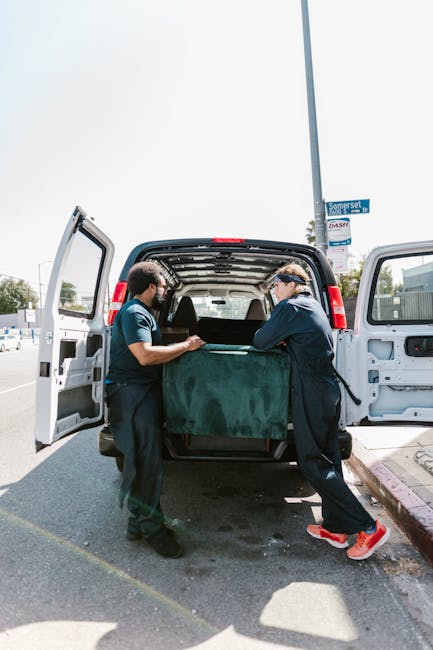
Some moves do not need a large removal crew, but they still need more than a standard car journey. In those cases a smaller transport option can suit a single room move, a short notice collection or the movement of a few bulky items. Our man and van service is designed for that kind of straightforward task, where a practical load space and assistance with carrying can make the difference between a stressful day and a workable one.
There are also situations where a customer knows the destination is close, but the items are awkward, heavy or too many to manage without help. That is where a vehicle-based moving service can be the sensible middle ground. We can discuss whether a van-only arrangement is enough or whether additional lifting support is more appropriate. The main aim is to avoid unnecessary complexity while still treating each item with care.
- Single-item and small-load transport for compact moves
- Loading help for heavy or awkward household items
- Local collection and delivery of furniture or boxes
- Flexible support when a full removal crew is not needed
Packing support, protection and unpacking
Packing is often the part of a move that takes the most time, especially when the contents include breakables, kitchenware, books or personal possessions that need to stay organised. A good packing plan reduces the chance of damage and makes unloading simpler at the other end. If you want help with this stage, our packing and unpacking services page explains the kind of support available for preparation and settling in.
In practice, packing assistance can range from full-room packing to targeted help with the most delicate or time-consuming belongings. It may also include wrapping furniture surfaces, securing loose parts and keeping similar items together so that they are easier to identify later. Unpacking support is useful when the destination needs to be made workable quickly, especially if you would rather not spend the first evening sorting through every box.
Good packing is not just about speed; it is about keeping the move legible. Labelled boxes, grouped rooms and separated valuables make unloading more efficient and reduce the chance of confusion. If you are arranging removals in Harringay for a busy home or shared property, packing support can sit alongside the transport itself, rather than being treated as a separate headache to solve later.
Furniture handling, dismantling and careful loading

Large furniture often dictates the pace of a move. Wardrobes, beds, tables, sofas and cabinets can be easy enough to transport once they are ready, but difficult to move if they have to pass through tight halls or awkward staircases. We can handle bulky items as part of the removal process and, where appropriate, make dismantling part of the preparation so that pieces travel more safely and fit more easily into the vehicle.
Careful loading matters just as much as lifting. Items need to be positioned so that they do not shift, rub or crush each other during transit. That is why furniture removals are not only about strength; they also depend on spacing, padding and the order in which the load is built. The right approach protects polished finishes, glass panels and awkward shapes that do not tolerate careless stacking.
If you already know which items are the hardest to move, tell us early and we can shape the plan around them. A clear list of furniture, along with any notes about narrow access or pieces that should be dismantled, makes it easier to decide what support is needed. For broader house furniture transport, the house removals page is a useful place to compare the domestic moving service with other options.
Office relocation and business moves
Business moves call for a different rhythm from domestic ones. Desks, chairs, filing cabinets, monitors and boxed records need to be moved in a way that protects the working environment and keeps the relocation orderly. Our commercial moving work is intended for offices, workrooms and small business premises that need a tidy transfer without losing track of equipment. You can see the wider offer on the commercial moves page.
An office relocation usually benefits from clear sequencing. Some items should move first, such as furniture, while other items may need to travel separately for easier setup at the destination. We can help with the practical side of that process by loading items securely and moving them in a sensible order. Where a business has a narrow time window or a phased move, it is often better to plan the contents by area instead of treating everything as one mixed load.
Office moves often involve a mix of standard furniture and equipment that has to stay organised. That can include boxed documents, desktop gear, printers and meeting furniture. The focus should remain on safe transport and workable placement, rather than on overcomplicating the plan. If the move includes only a few items, a smaller vehicle-based solution may be enough; if the premises are larger, a fuller commercial removal approach can be arranged.
About Harringay

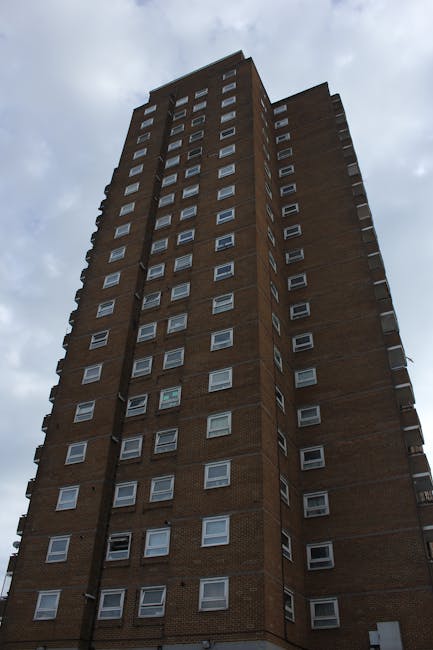
Harringay is a North London district that sits within the London Borough of Haringey and is closely associated with the long, busy corridor of Green Lanes. The area takes its name from the historic manor of Haringey, though modern Harringay is best understood as an urban neighbourhood shaped by railways, main roads and dense residential streets. Its boundaries are commonly described in relation to Harringay Green Lanes station, Turnpike Lane and Manor House, with Finsbury Park and Stroud Green close by to the west and south-west. This part of London developed rapidly in the nineteenth century as transport links improved, and many of its streets retain the layered character of Victorian and Edwardian suburban expansion. Rows of terraced houses, purpose-built flats and small commercial parades give the district a varied streetscape, while Green Lanes remains a central route for shops, cafes and everyday activity. Harringay also sits near larger open spaces that help define the local landscape, including Finsbury Park and the network of smaller green routes and residential streets that connect to it. The area has long had a mixed community profile, with successive waves of migration contributing to its food culture, local trade and sense of everyday movement. Its railway geography is especially notable: multiple stations serve the wider district, and rail infrastructure has influenced where retail frontages, housing and foot traffic concentrate. That combination of ordinary residential life, layered history and a strong transport spine makes Harringay a recognisable part of inner north London rather than a place defined by one single landmark.
Pricing factors and practical planning
The cost of a removal is usually shaped by the work involved rather than by a single fixed category. Volume, access, distance, parking, loading time and the need for extra handling all play a part. If furniture must be dismantled, if there are several floors without a lift, or if the load includes fragile items that need extra care, the plan can change accordingly. For customers comparing options, our pricing and quotes page is the most direct place to look at how estimates are arranged.
To prepare a sensible quotation, it helps to give a clear picture of the move rather than a rough guess. A short item list, room count or description of the heaviest pieces is usually more useful than a long general statement. If there are parking restrictions, awkward access points or a narrow time window, those details matter too, because they affect how the job has to be carried out. The clearer the information, the easier it is to match the right level of support to the work.
Useful planning details can include:
- the starting and ending property type
- any stairs, lifts or loading restrictions
- the number of large items that need special handling
- whether packing has already been completed
Safety, insurance and secure handling

Removal work depends on handling items in a way that reduces avoidable risk. That means thinking about weight, shape, balance and the route through the property before lifting begins. It also means being cautious with items that are easily scratched, tipped or bent. When furniture and boxes are loaded properly, the journey itself becomes simpler because the contents are less likely to move around or suffer preventable wear during transit.
Customers often want reassurance about the practical side of moving day: what happens if an item is too large for a doorway, how delicate pieces are protected and whether the load has been arranged to travel securely. Those questions are sensible, and they are best handled at the planning stage. If you would like to compare the safety approach with the wider service outline, the insurance and safety page gives a focused overview of how we think about handling and risk.
We also keep the moving process straightforward by encouraging customers to separate what is going, what is staying and what needs special attention. That avoids confusion when the team starts loading and keeps the destination unpacking process more organised. For anything that needs special care, it is better to identify it in advance than to leave it until the last minute. Please request a quotation when you are ready to talk through the move.
Additional removal services and useful next steps
Some customers begin with a house move and then realise they also need help with a few separate tasks, such as a single furniture collection, a partial clearance or transport for items that are not part of the main relocation. That is where having clearly named service pages can help. Our furniture pick-up page is useful if you only need a collection of specific pieces rather than a full domestic move.
Likewise, not every move involves the same amount of assistance with the vehicle itself. Some customers prefer a general removal team, while others want a smaller transport arrangement that is easier to adapt to modest loads. If that sounds closer to your situation, the moving van page is a practical option to review alongside the main removals service. You can also use the plain text prompt below if you are still comparing choices and want to take the next step.
If you are planning Harringay removals, ask for a quotation and tell us what needs to move, where it is going and any access details that could affect the job. For broader background on the business, the about us page and the contact us page are available when you are ready to proceed.